
The Upcoming Hurricane Season May Be Quiet. The Risk Isn’t, Says This Atlanta Architect & Entrepreneur
Stay up to date with Hypepotamus
Add us as a preferred source in Google
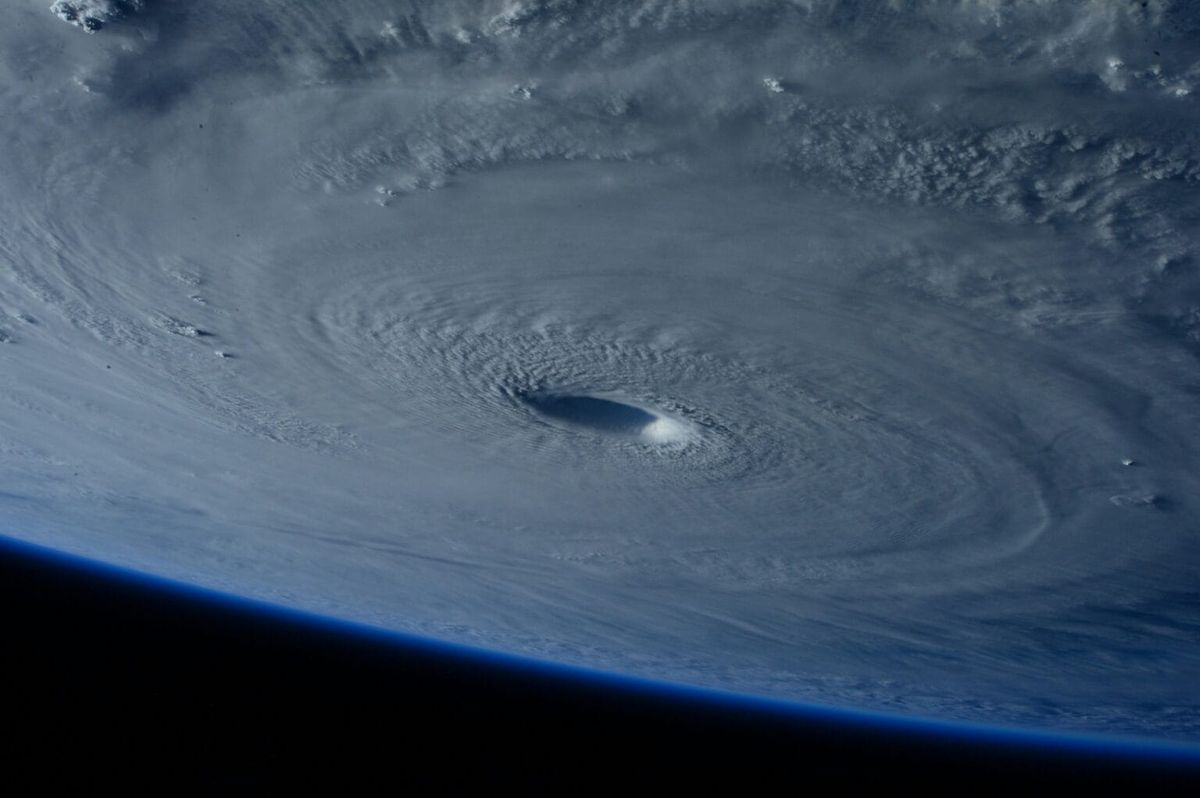
Forecasters are optimistic about this year’s impending hurricane season, predicting fewer storms, lower activity, and a relatively quiet stretch for the Gulf and Southeast coasts. But for homeowners and developers exhaling in relief, Atlanta architect and tech founder Patrick Chopson has a warning: You may be looking at the wrong data.
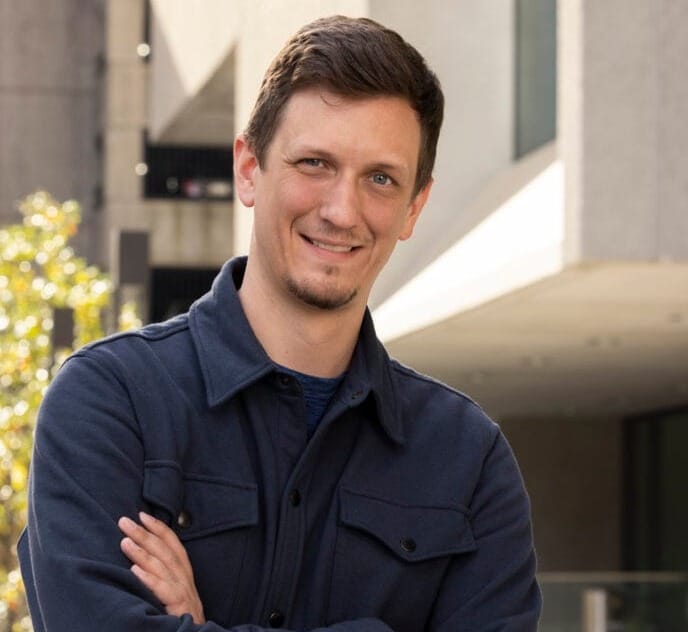
“The seasonal forecast does not protect the asset on the wrong side of a single landfall,” says Chopson, principal architect at Atlanta-based architecture and resilience firm Cove, who recently released a three-part report analyzing FEMA hurricane data. “It only takes one.”
Chopson has been digging into FEMA’s National Risk Index, which provides more granular data about potential structural loss. By analyzing five major Gulf and Southeast coastal metros — Houston, Miami, Tampa, Charleston, and New Orleans — Chopson found that even in a potentially “quiet” hurricane season, homeowners and developers need to rethink how they live, build, and invest in coastal areas.
The Problem With Regional Thinking
Most people think about hurricane risk regionally. Miami is risky. Houston has a wind risk. New Orleans is below sea level. But Chopson argues that kind of broad-strokes thinking is not just imprecise; it can be dangerous.
“You can’t look at the city or regional level,” he says. “You have to look more granularly.”
Using FEMA’s data, Chopson analyzed expected annual loss per dollar of building value across Houston, Miami, Tampa, Charleston, and New Orleans. The results show how dramatically risk varies not only between cities, but within them. Hurricane-specific expected annual loss per dollar of building value varies by more than 6x between markets.
Why FEMA Data, Why Now
For Chopson, analyzing FEMA’s National Risk Index data was intentional.
“FEMA has been under attack over the last few years,” he told Hypepotamus. “But they produce some of the best data in the world, because the goal of FEMA is to keep Americans safe. On a per-ZIP-code and census-tract level, you can actually figure out what the exact risk is.”
That granularity matters more than ever because the insurance industry is already using it. AI-driven weather modeling is allowing insurers to price risk at the individual building level. The problem, Chopson says, is asymmetric: Insurers can now see around the corner, while most property owners and developers are still thinking too broadly.
Resilient Design Is a Southeast Problem
The five Gulf and Southeast markets Chopson analyzed each present unique challenges when it comes to building and rebuilding. Site selection within a city, down to the block level, can dramatically change a building’s expected annual loss.
For developers, Chopson believes resilient design is increasingly a financial calculation, not just a moral one. And for certain types of buildings, particularly senior living facilities, resilient design can be a matter of life or death.
“It’s about survivability,” Chopson added.
So what should people look for in resilient design? For families evaluating where to live or invest, it is about understanding where a building’s backup power is located, and what type of power they use. It is about knowing about flood mitigation strategies and what parts of buildings aren’t just build “to code,” but for the realities of the specific area.
Moneyball for Architects
Long-time readers of Hypepotamus will know that Cove, founded by Georgia Tech graduates, got off the ground as a sustainability-focused tech company. Its evolution into an AI-driven architectural firm is a bet on the future of resilient design and smarter building.
Chopson described Cove as “Moneyball for architects,” helping real estate leaders reduce risk and build more intelligently. The goal, he explained, is to let architects “refocus on the craft and beauty of building” while still accounting for resiliency, sustainability, and cost.
That kind of thinking becomes especially important in years when the forecast sounds less threatening. A mild seasonal outlook can make risk feel distant, but Chopson’s point is that hurricane exposure is not spread evenly across a region, a city, or even a neighborhood. A quieter season does not erase the danger for a building sitting in the wrong place, designed without the right protections, or dependent on systems that fail when the grid goes down.
And the weather does not wait for the industry to catch up.
“Hurricane Andrew hit during an El Niño year,” Chopson notes, though El Niño years have historically seen fewer storms. “Just because the risk of many hurricanes isn’t high doesn’t mean there’s no risk from hurricanes.”
Comments ()