
Women Who Codes Shuts Down, But Atlanta Members Look To Carry On Legacy
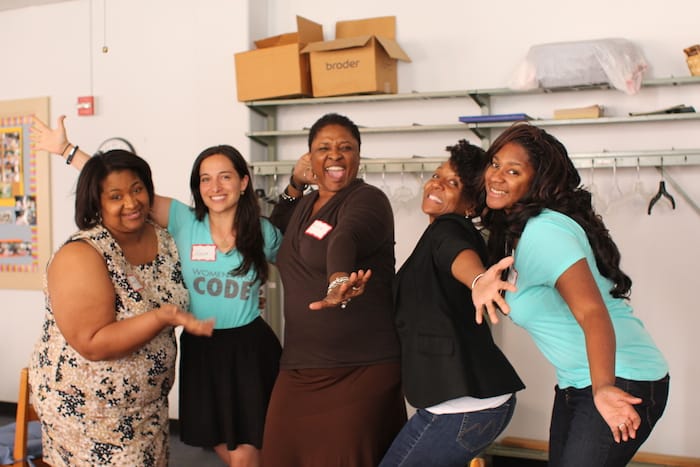
Women Who Code (WWC), an international tech community headquartered in Atlanta, announced late last week that it was abruptly shutting down operations.
The organization was started by a group of engineers in San Francisco in 2011 with the expressed goal of bringing more women into the tech community. After cementing a partnership with The Home Depot, WWC moved its headquarters to Atlanta in late 2018.
Two years ago, Hypepotamus heard from WWC CEO & co-founder Alaina Percival about the organization’s massive international expansion efforts during the COVID-19 pandemic.
Over the years, the organization delivered 20,000 community-led events, awarded $3.5 million in scholarships, and built up its job board to share over 14,000 opportunities. It was known as a place for women to get job and leadership training in order to break into technology roles.
Lack of funding has forced other women-focused tech organizations, including Atlanta’s Launchpad2X program, to close since the pandemic.

What WWC Is Saying
The organization isn’t saying much about the decision to close, other than the fact that the Board of Directors voted on April 18 to dissolve the organization due to “factors that have materially impacted our funding sources,” according to a press statement.
According to ProPublica’s nonprofit database, WWC’s revenue in 2022 was $3.99 million. The organization's expenses for that year totaled $4.18 million.
Erica Stanley, who co-founded the Atlanta chapter of WWC, told Hypepotamus that she was “shocked” to learn about the announcement, and that local leaders were not made aware of the Board’s plan beforehand.
She said the decision was made more challenging because there was no talk of any sort of transition planning, which has left local city leaders scrambling to figure out how to support community members moving forward.
WWC’s Local Impact
Stanley, who has been involved with the organization since 2013, was instrumental in growing Atlanta’s membership base to 5,000. She credits an early partnership with ThoughtWorks for helping the organization grow locally. Stanley said that the chapter put on developer workshops and the city’s first women’s only hackathons.
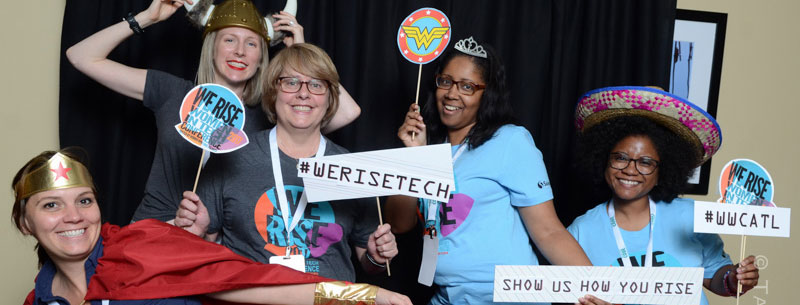
WWC Atlanta also put on the tech conference We Rise in 2017 and 2018, which helped lay the foundations for REFACTR TECH.
With no clear transition plan in place from the top, Stanley and the Atlanta team hve started thinking about how they will support women technologists, engineers, and developers moving forward.
“People are trying to figure out what's next. They don't want to stop building the impact that they've built within their communities,” Stanley added.
She said that energy will be put into building up local organizations, including REFACTR TECH and Women Techmakers.


Comments ()