
Tariffs Nearly Broke This Asheville Startup. Here’s How It Adapted and Grew.
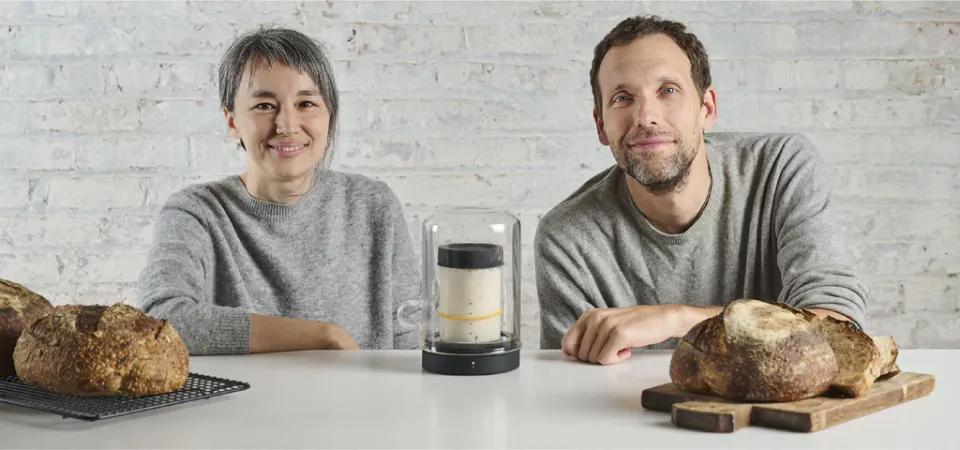
In July of 2025 North Carolina entrepreneur Erik Fabian had a full-length featured article in the Business Section of The New York Times.
That might sound like a dream for any young startup company, especially one building in the crowded consumer products market like he was with his company, Sourhouse.
But at the time of the NYT feature, Sourhouse was fighting for its survival.
Sourhouse, which launched in early 2020 at the height of the pandemic, found itself caught in the whiplash of the Trump administration’s 2025 tariffs. Like most modern kitchen products, Sourhouse’s sourdough tools were manufactured in China. Tariff rates swung unpredictably — from as high as 145% down to 30% — making long-term planning nearly impossible.
The impact rippled beyond margins. Innovation stalled.
Yet six months after the Times feature on Sourhouse's business problems ran, Sourhouse looks very different. The company has attracted celebrity fans, posted a compound annual growth rate north of 141%, and was recently named the second-fastest-growing company in Asheville.Rather than trying to avoid disruption, the company focused on adapting to it.
What changed?
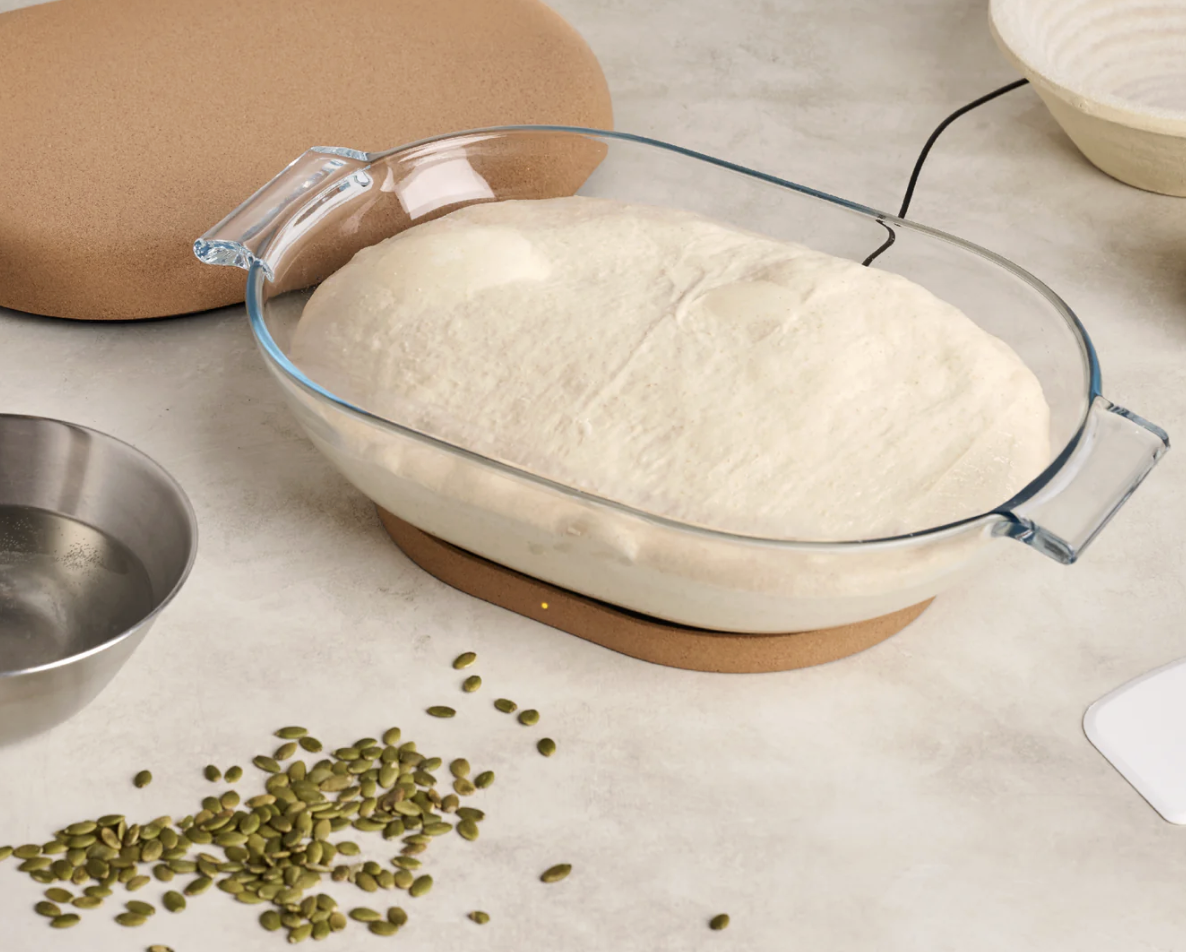
Sourhouse did have to make tough decisions to survive. Because the company’s newest product, the DoughBed, was stuck for months in a container ship in the Port of Houston, it ultimately pushed its launch back by several months — a costly move for any bootstrapped startup. Across its product lineup, Sourhouse also raised prices to offset rising and unpredictable costs.
Another significant shift came in how the company approached innovation.
“We’ve become a little bit more conservative in terms of product innovation,” Fabian said, citing both cash constraints and broader economic uncertainty. “We’re bootstrapped, and we want to be a little more cautious. We have a lot of products we’d like to make. It’s really a question of how quickly we can get there — and whether we need to change our funding setup to do it.”
That caution came with trade-offs. Tariffs forced the company to reevaluate timelines, priorities, and how much external volatility it could afford to absorb.
“It’s frustrating,” Fabian said. “But it also becomes a decision point: How much do we allow these things to distract us? How much do we change our plans — not just for this year, but for 2026 and beyond — especially when it comes to innovation?”
To combat economic changes, Fabian said the company got more strategic about its marketing.
Fabian said the team began constantly testing new customer-acquisition channels, particularly as AI-driven discovery and ecommerce tools reshape how consumers find and buy products. The company also launched a podcast aimed at reaching more sourdough bakers and enthusiasts directly, building brand affinity in a crowded consumer market.
Product innovation in Asheville
Fabian isn’t a North Carolina native, but he moved with his family to Asheville after living and working in New York City and Florida.
The idea for Sourhouse dates back to March 2020. At the time Fabian, formerly head of brand and PR at Moleskine, became even more immersed in his sourdough baking hobby and saw the need for better kitchen products.
“Asheville checked a lot of boxes for our family,” he said. “It’s a foodie town, it’s known for its restaurants, and there’s a really strong ecosystem here,” which he said includes a strong baking scene.
“My goal is for people to realize [Asheville] is the sourdough capital of the South,” he said. “Partly because we’re here, but also because there’s already so much great infrastructure for it.”

Innovating on a classic hobby
Sure, sourdough had a moment during COVID lockdowns. But keeping a sourdough starter alive has been part of bakers’ routines for thousands of years.
Sourhouse’s products aim to modernize the practice without alienating its most devoted practitioners. It sells unique jars, baskets, and other gadgets designed specifically for the sourdough starter, a living, bubbly culture that is notoriously sensitive to temperature and timing.
While building Sourhouse, Fabian said that he’s been struck by the culture surrounding the craft.
“The sourdough community is one of the nicest online communities that exists,” he said. “People are incredibly helpful. I really like being part of it.”
That inclusivity spans demographics and ideologies. “We have Republicans and Democrats, liberals and conservatives,” Fabian said. “Stay-at-home moms, trad wives, Silicon Valley engineers. People who learned from their grandmother and people who learned from the internet.”
And as Sourhouse looks for more ways to grow in 2026, Fabian believes the company benefits from operating in a category that cuts across income levels and political identities.
“It’s good for people’s guts, their soul, and their wallet,” Fabian said. “Especially in a political year, we can all come together around sourdough.”
Related Articles
Meet The Asheville-Based Startup Helping Athletes Of All Levels Fuel UpTariffs squeezed small ecommerce brands. North Carolina’s Deliveri is pitching a shipping lifeline.
Featured Photo: Sourhouse's Erik Fabian and Jennifer Yoko Olson.




Comments ()