
Startups can grow anywhere. These people are making the pitch they should sit down roots in the South.

Read Time: 6 minutes
Tech Topics In This Article: Southeast startups, ecosystem development
Low cost of living. Good college talent pool. Business-friendly tax codes.
Founders will cite a confluence of economic factors when talking about their decision to build businesses in the Southeastern United States.
But in an age where hybrid work is the norm and talent can be sourced globally, how do cities get on the radar of more up-and-coming founders? And how do they make sure startups stay in town as they grow?
Across the Southeast, there are non-profits, local government groups, and for-profit programs all working to ensure startups build, relocate, and scale inside the region.
The region itself is home to the top ten fastest and most consistently growing areas in the country. And cities like Atlanta and Miami are moving up the Startup Genome’s list of top global startup ecosystems.
So what is driving those numbers?
Making The Southeast Pitch

"There’s an old stereotype that the South might not have as robust a startup culture as the West Coast or the Northeast," said Grant Wainscott, Vice President of Ecosystem Expansion at the Metro Atlanta Chamber. "But in reality, the experience is the opposite – it’s a more connected scene here."
One of the most significant draws is the lower cost of living, a factor that resonates deeply with founders looking to maximize their resources. As Charlie Pond of Innovate Alabama pointed out, "In high-cost markets, startups burn through funding quickly, forcing founders to spend more time raising capital and less time actually building their business. That’s where Alabama changes the equation. Here, every dollar stretches further, giving founders the most valuable resource of all — time."
This extended runway allows startups to focus on what truly matters: product development and market validation. And those are two things startups come to Chattanooga to work on with Brickyard, an “insulator” program that invests in promising early-stage startups.
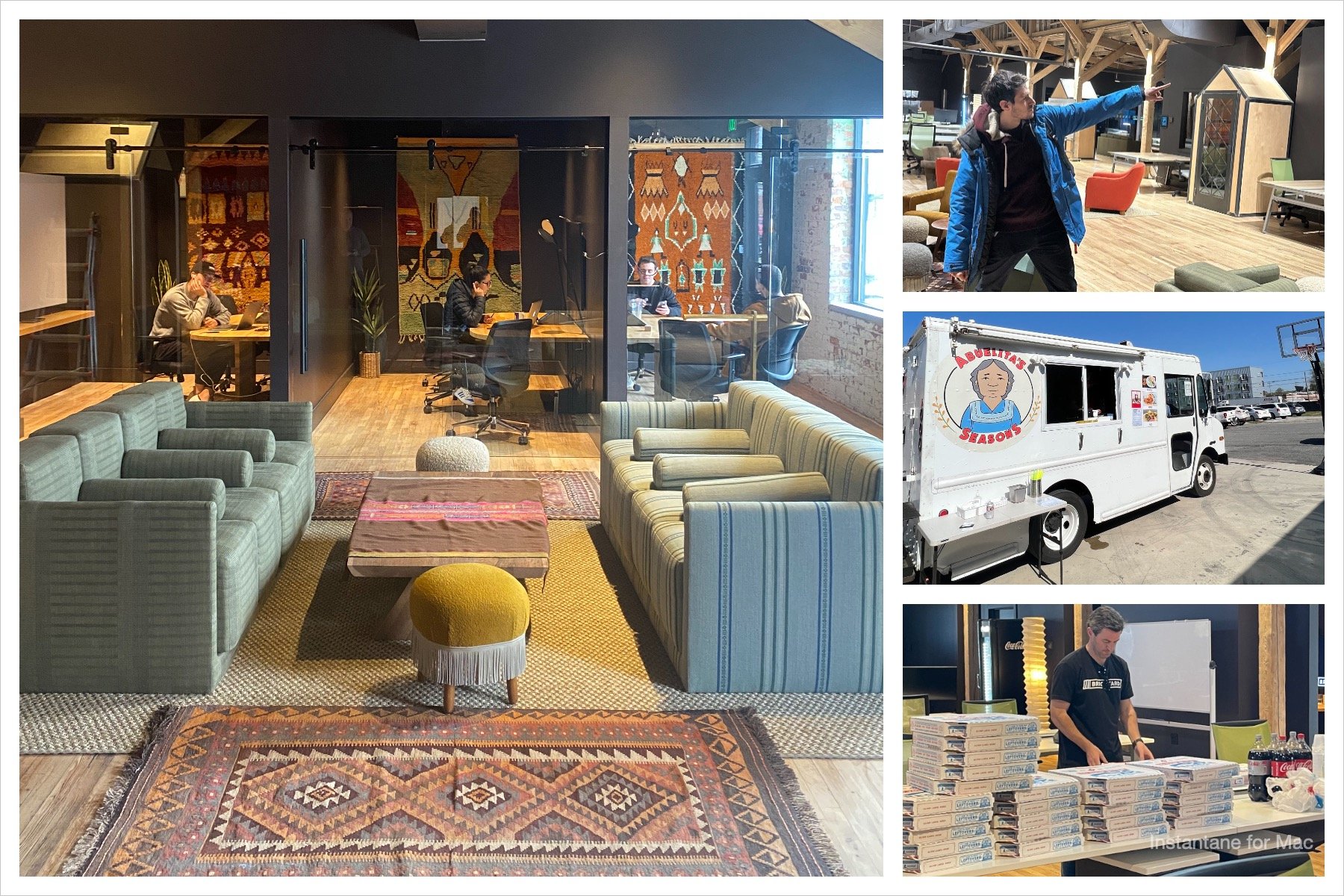
Brickyard's unique model in Chattanooga offers founders that relocate a space to "maximize focus and speed until $1-2 million in revenue."
Cam Doody, Brickyard’s General Partner, said that "over 90 percent of our founders didn't think they were actually going to take a check from us until they came here to see it. For example, we've made 41 investments on 43 term sheets offered. If you see it, it's hard to unsee it."
Beyond affordability, the Southeast is cultivating a rich talent pool. Wainscott added that Atlanta’s "hub for skilled diverse talent at all levels," while Innovate Charlotte’s Managing Director Juan Garzon stressed the accessibility of talent and capital, provided founders know how to navigate the ecosystem.
"Founders looking to move to Charlotte also ask about access to talent and capital, both of which are accessible as long as you know how to navigate the ecosystem," Garzon added.
Each city offers its own unique advantages. Chattanooga, as Doody described, is "like Boulder, Colorado, in 1999," offering "gorgeous scenery, tons of city momentum, insane access to the outdoors." Atlanta, according to Wainscott, provides "big city amenities in a place that has the support structure of a smaller community," along with a "major presence of Fortune 500s." Alabama, according to Pond, is "where your capital lasts longer, your network grows faster, and your business scales smarter," while Charlotte offers a "highly supportive ecosystem where everyone wants to see you succeed."
Even smaller cities in the region, like Mobile, Alabama, have built up infrastructure to attract startups.
Todd Greer, Executive Director of Innovation Portal, said that the Gulf Coast region of Alabama grew significantly since 2020. Now, Mobile County is focused on building itself up as a hub for ‘future of work’ technologies, advanced manufacturing, and robotics companies.
“You want to be where things are going and growing,” Greer added. “What we see here in coastal Alabama is a complete transformation. We went from a place that had no airplanes being manufactured to [soon] being the fourth largest aerospace or aviation cluster in the world. We see a place that's building ships, that's growing its impact on the Department of Defense. We see the growth of our port…and all of this is coming together to create a very fertile sandbox, a place where any startup has an opportunity to be able to come in and get connected.”
The region provides not only professional opportunities but also a high quality of life, making it an increasingly attractive destination for founders looking to build their dreams. As Garzon told Hypepotamus, "Come to Charlotte and you will find a highly supportive ecosystem where everyone wants to see you succeed."
Across the region, ecosystem builders are making the pitch that the Southeast is fertile ground for high-tech companies and their teams.
As Pond puts it, "Entrepreneurs are people first and choosing where to build their business also means choosing where to build their life."

Comments ()