
She Wrote The Book (Literally) On Nonprofit Finance
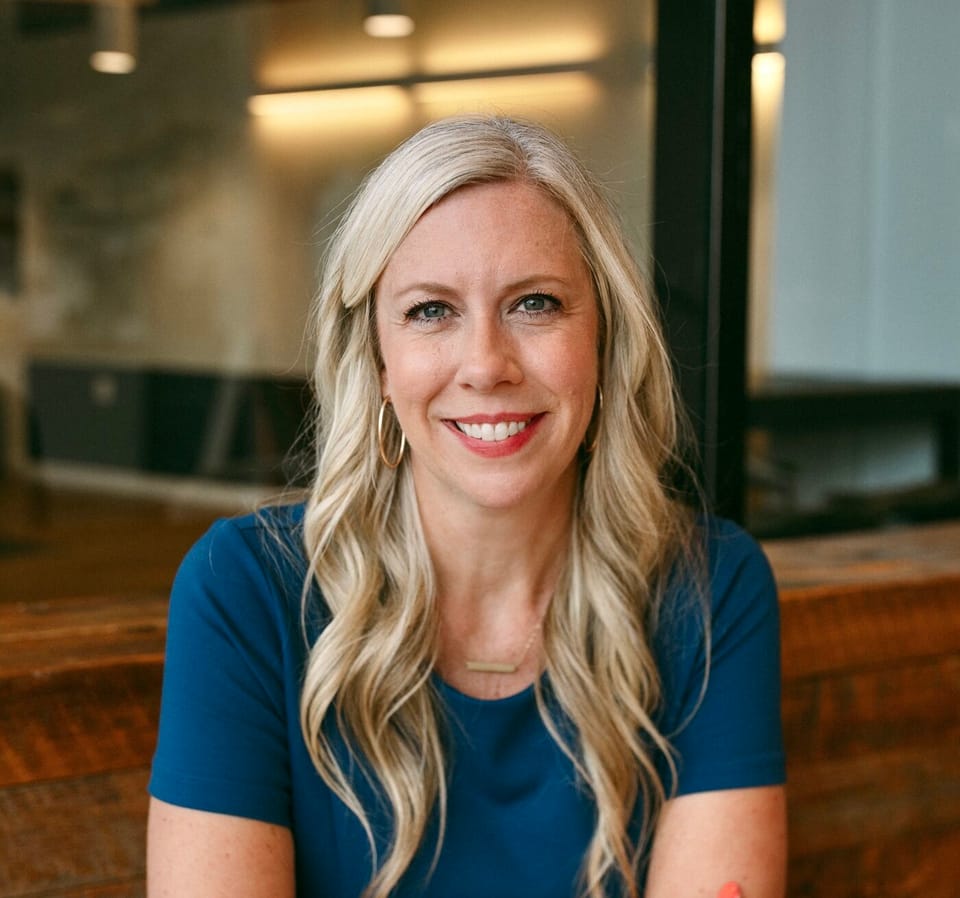
Karen Houghton, who leads the Atlanta-based and venture-backed FinTech Infinite Giving, is out with a debut book sharing the ins and outs of nonprofit fundraising.
Funding Your Mission - The Modern Guide to Nonprofit Finance is out today and available on Amazon and Barnes & Noble.
Houghton has been leading Infinite Giving, the nonprofit finance platform that simplifies cash management, investments, and complex donations, since 2021. She sees the book as a practical resource for nonprofits looking to build financial sustainability and steward assets wisely. Dr. Russell James, professor of Charitable Financial Planning at Texas Tech University and principal of Encourage Generosity, calls the book a “practical roadmap for nonprofit leaders.”
Author Q&A:
Following the official book launch, Houghton answered a series of our questions about the evolving nonprofit world and what role responsible tech and finance can play in their future.
Get to know more about Houghton and the book below.
Question: Take us back to the start of Infinite Giving. How did you know it was the right time to launch?
Infinite Giving was born out of a pattern I couldn’t ignore. Before all this, I founded a nonprofit, worked in corporate social responsibility, and spent nearly a decade advising founders and VC-backed companies at the Atlanta Tech Village. In every one of those worlds, one thing became glaringly obvious: for-profit companies had access to sophisticated financial tools, investment guidance, and revenue strategy… and nonprofits were left piecing it together with duct tape.
Meanwhile, nonprofits are tackling some of society’s hardest problems. Why were they being asked to operate without modern financial infrastructure? Nonprofits in the U.S. make up a $2T market, yet few financial institutions or systems are made for tax-exempt entities and their unique needs.
The timing snapped into focus during the pandemic. Nonprofits were thrown into survival mode practically overnight. Donors wanted to give assets like stock or crypto, but most nonprofits weren’t set up to receive them. Organizations with reserve strategies survived. Others, through no lack of mission or passion, didn’t make it.
I knew we could close that gap. If we could bring modern fintech, thoughtful stewardship, and accessible investment strategy into the nonprofit sector, we could fundamentally strengthen missions for decades to come. That conviction became Infinite Giving.
Question: As you've scaled Infinite Giving, what are some of the big pain points / challenges you've seen nonprofit leaders face when dealing with their finances? Have those challenges changed over the course of 2025?
Many nonprofit leaders are running complex, multimillion-dollar organizations with tools and terminology that weren’t designed for them. Many operate in constant survival mode, even when their missions deserve a long-term strategy.
In 2025, the pressure has only intensified. Economic volatility, shifting donor behavior, and new tax legislation pushed financial sustainability to the top of every agenda. At the same time, high-capacity donors increasingly want to give non-cash assets. Nationally, the average cash gift is around $120. The average stock gift is over $8,000. At Infinite Giving, the average stock gift we process is about $30,000.
That’s a massive delta. But 90% of nonprofits still don’t have a brokerage account, let alone the processes or confidence to handle these gifts well.
What’s changed is the urgency. Leaders aren’t just asking if they should modernize their financial strategy; they’re asking how fast they can do it. And the tech ecosystem here in Atlanta understands that urgency better than anyone. When you see inefficiency in a market this large and this important, you build.
One of my favorite examples: a client received a $100,000+ stock gift from a first-time donor who never talked to the team. They went to the nonprofit’s website, used our stock-giving widget, and made the gift in minutes. Because the organization already had an investment portfolio and a tiered reserve strategy with us, that gift immediately went to work for the mission.
That’s the kind of transformation we’re building toward, and the kind of strategy we teach in the book.
Question: When did you start writing Funding Your Mission?
I officially started this past spring. Getting a manuscript done in a few months, while running a scaling fintech, was a sprint. But the truth is, the book has been forming for years through advising hundreds of nonprofit leaders and boards.
After closing our Seed round in 2024, our Head of Marketing, Lauren Patrick, did a full audit of my content: talks, workshops, webinars, and articles. She looked at me and said, “Karen, you basically already wrote a book.”
We sketched the structure on a whiteboard at an off-site, and I started writing. Nights, weekends, early mornings (founder life), but I wanted the book to be genuinely useful. Some storytelling, less jargon, with the goal of the clearest, most practical financial roadmap for what’s possible.
As I shared chapters with nonprofit leaders, I kept hearing the same thing: “We need this. Boards need this. Our staff needs this.” That’s when I knew we were building something the sector was hungry for.
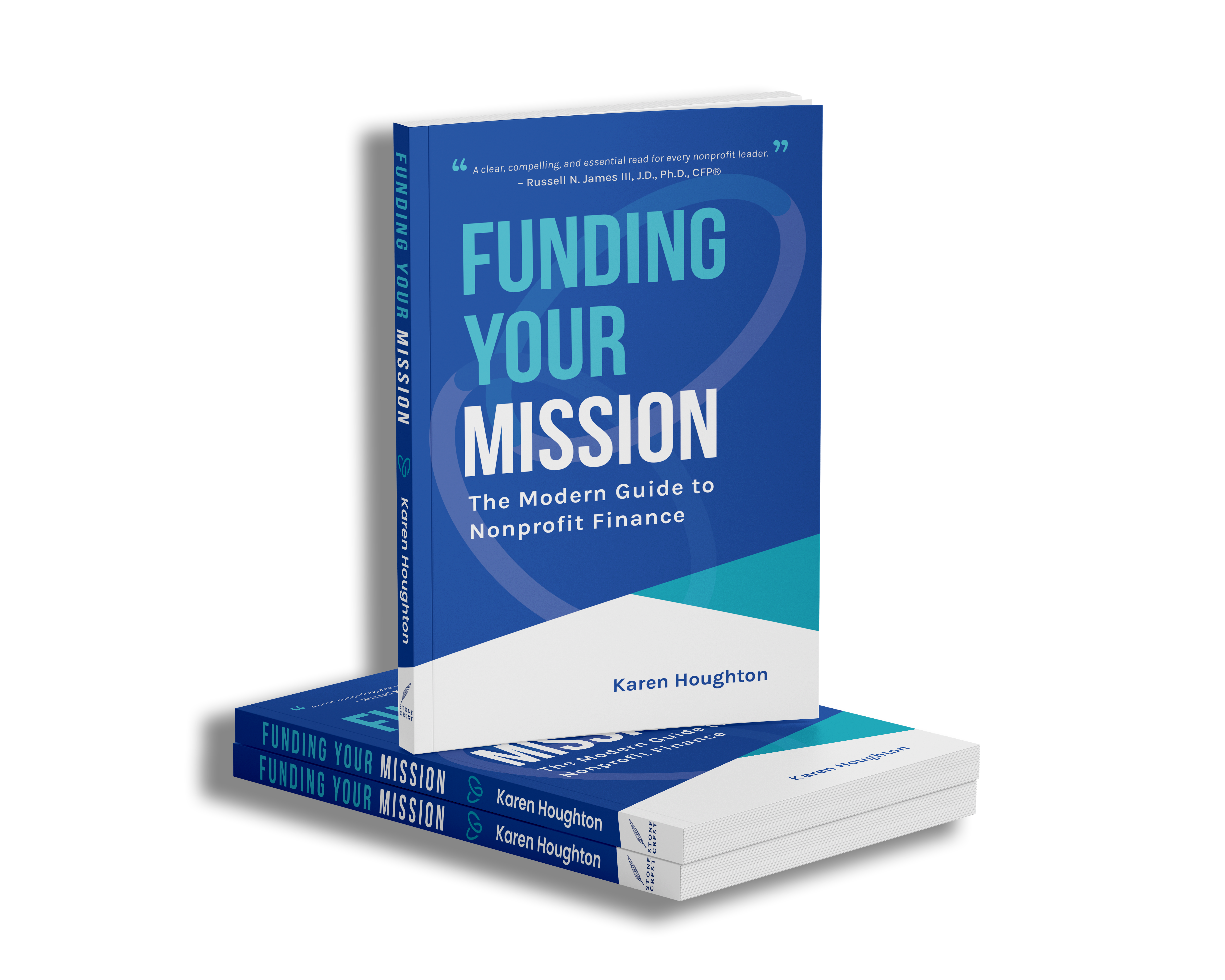
Question: What was missing in the book/education landscape that made you want to start writing?
There was literally no modern guide to nonprofit finance. Most financial resources are written for business or retail use. Nonprofits have much more complexity with responsibilities to donors, transparency requirements, reporting, tax-exempt status, and other unique compliance needs. There was nothing that connected the real-world realities of nonprofit cash flow, reserves, investment strategy, non-cash gifts, and donor psychology in one cohesive, usable guide.
So we built the book I wish every board member and nonprofit leader had: practical, tech-forward, data-driven, and grounded in real stories. A book that says, “You don’t have to operate from scarcity. You can build a financial engine strong enough to fuel your mission.”
Funding Your Mission fills that gap.
Question: What do you hope readers take away from reading?
I want readers to walk away with confidence. The kind that comes from truly understanding the financial strategies that make missions resilient, and having a plan that will help them get there. I want board members and donors to better understand that money is a nonprofit’s mission fuel, and we have to have a strategy around our stewardship.
If readers walk away empowered to:
Build healthy reserves
Invest with clarity and transparency
Embrace non-cash gifts as a core revenue strategy
Create alignment with their boards and donors
And plan for not just the next 12 months but the next 12 years
…then the book has done its job.
Nonprofit sustainability isn’t a luxury. It’s leadership. And nonprofit leaders shouldn’t have to figure it out alone. There are modern tools, partners, and strategies ready to help them build something that lasts at Infinite Giving.




Comments ()