
Sharron Battle | From Nuclear Engineering to Graphic Design
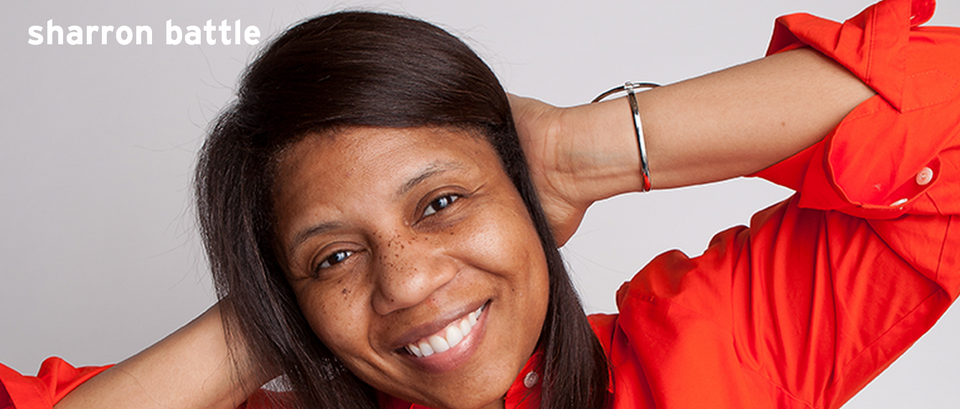
Sharron Battle is an Atlanta and Silicon Valley entrepreneur with a drive for helping entrepreneurs succeed. She has a diverse background ranging from mechanical and nuclear engineering to graphic design to strategy and finance. Sharron has also worked with several Fortune 500 companies, before deciding to move into consulting and then launching her startup Derbywire in 2009. She is a seasoned entrepreneur who has participated in a Google and Andreessen Horowitz sponsored accelerator program and is passionate about sharing the lessons she has learned along her entrepreneurial journey with other founders, entrepreneurs, and startups. Her dedication to supporting young entrepreneurs and encouraging a culture of connectivity has also led to her role as a PEAR’d Board Advisor.
How did you become an entrepreneur?
I started out in corporate America and—it’s funny because my mom identified me as an entrepreneur before I did. The big piece for me is that I found myself throughout my career always leading these big projects or teams or change in different organizations in different fashions. Later in my career, I was interested in consulting and even in consulting I found myself doing a lot of projects never been done before for Fortune 500 companies. After about 2.5 years of consulting, I decided to go off on my own and start my own company. As I began building something of my own, that’s when I tapped into, “Hey, I might just be an entrepreneur.” It was more of a discovery piece for me. Some people realize that they’re entrepreneurs early on. I didn’t, but there were certainly indications even when I was a little kid. My mom realized it more so because of times like when I was kindergarten and I was trying to sell pages out of a coloring book my dad had given me to the other kids.
I love entrepreneurship because it allows you to do things that haven’t been done before. It allows you to be creative. It allows you to—it’s risky—but it allows you to take something to the next level of creation that others don’t necessarily have control over. There’s this dare-to-be-different moment. You get the chance to go out into the world, solve a problem that people really care about, and hopefully change some lives.
What’s your why?
My biggest passion is helping other people. For me, waking up every day and hearing from other people, “Hey, you’re solving my problem. You’re going to make my life better with what you’re doing," that’s what motivates me. Just knowing that as I’m working, I’m doing something every day that’s going to be life changing for someone else in a big way is what drives me.
What do you see as the strengths and weaknesses of the Atlanta entrepreneurial ecosystem? How do you want to see it change?
There are a lot of great organizations that exist. The biggest thing about the ecosystem that needs attention is when startups are in their very early stages. What’s not really done well is when you go looking at all these startups, they’re at different levels or stages depending on the type of idea they’re trying to execute. You may have some ideas that require little to no revenue to start, launch and prove, but then you have others that require some investment dollars and time to come to life. Being able to analyze and identify companies on that level and allowing them the funding they need during those early stages is an area needing improvement. Usually for startups, it’s not unless you prove out your idea all the way to the end and show some results, at that point that you’ll get funded. As the ideas that are coming out become more inventive or more daring in some respect, sometimes it requires a lot more to invest. That’s the question for the investment community. How do you support businesses that are a little bit more challenging?
People in the community are very supportive, but more support from a technical standpoint needs to be the foundation of organizations out there. When I say that, I mean: how do I set up my hosting and server? What should my architecture be based on my idea? How do I get help with really fine-tuning what my business model should look like so I can be successful in doing this? What should my organization look like to support this? Those are critical questions for any business in order for them to be successful. A lot of early entrepreneurs just don’t have the skills and background to identify whether or not they’re set up properly. More early education needs to happen in the ecosystem to ensure more entrepreneurs are successful.
What impact would you like to have on the entrepreneurial ecosystem?
I’ve learned so much over the years. I’ve had my personal ups and downs trying to launch a startup. I’d like to create an entrepreneurial program where I can bring entrepreneurs on board, helping them from the beginning stages all the way to the end. What’s important to me is seeing them successful. I don’t want to help someone and just kind of throw a bone at them. I don’t want to say “Hey, here’s $25,000, now go and make your idea happen.” I’m more concerned about whether or not they’re going to be successful from the beginning until the end. What we’re looking at doing in the future is creating an organization called Good Founders, where entrepreneurs will be able to come in and work with us from the very beginning on all the things I mentioned before. Everything from "How do I set up my organization?" to "How do I set up the essential assets of my business to ensure it can be successful?" We’ll give them cash when we feel they’re ready to make their idea happen. Good Founders will be about helping entrepreneurs from the beginning phase all the way to seeing them successful. They’ll be a part of our community and we’ll mentor them so that they are successful.
Continuing reading
this pieceon
pear-a-digms, a thought leadership blog focused on cultivating a culture of connected productivity entrepreneurs, students, business professionals, business owners, and everyone in between.
The Author: Kristine Santos. Entrepreneur. Anthropologist. Writer. Runs social media and blogging for Atlanta-based startup PEAR’d, a virtual collaboration ecosystem for entrepreneurs. A vegetarian who’s learning how to sew and wants to know all about your startup. Let’s talk on Twitter@PEARdUP
[Photo Credit: Screen Shot of http://sharronbattle.com/]

Comments ()