
How VoApps President Paul Gies Flipped The Sales Model to Push Their Direct-to-Voicemail Tool
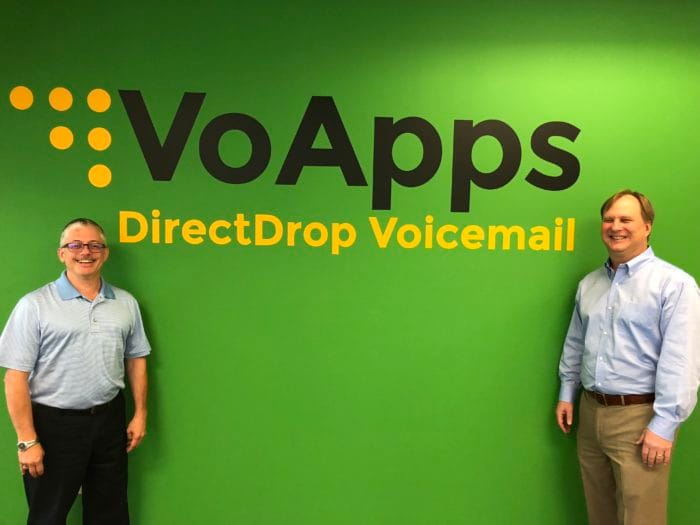
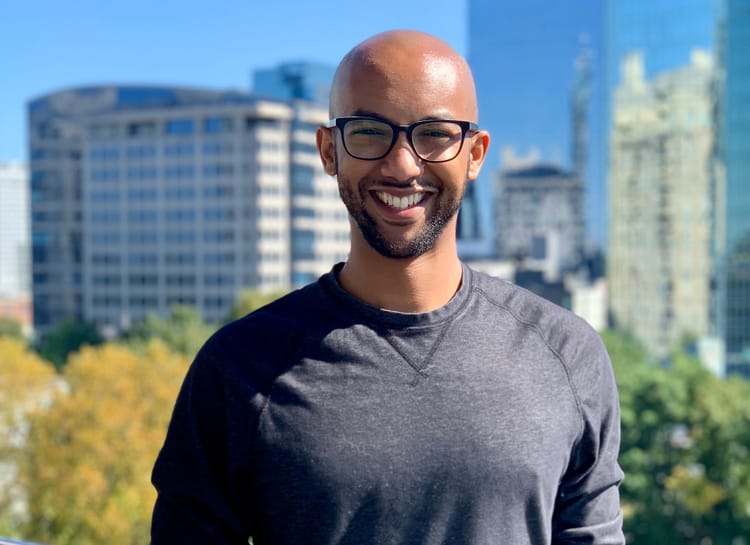
Paul Gies enjoys solving a company's revenue growth puzzle — which part of the business model needs to be tinkered with to kickstart growth? Gies has explored those growth factors in sales and product management at Earthlink and Motorola, business development at Cbeyond, and now at voicemail solutions company VoApps.
"At CBeyond, I launched our mobile division and it was something the company hadn't sold before," says Gies. "Once we built the product, I had to figure out how to sell it."
The startup delivers a voice message from financial companies and debt collectors directly to the consumer's voicemail server without having to call their phone. This allows the customer to contact the company when they feel ready to find a resolution for the issue, without feeling pressured or annoyed.
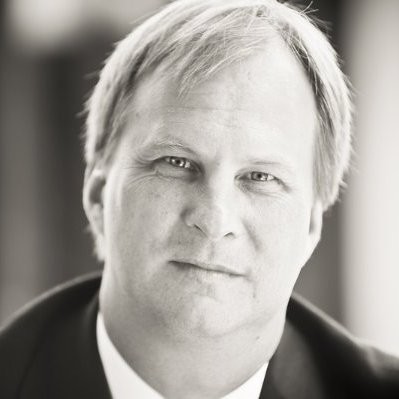
"I like working in environments where my hands can directly impact the bottom line of the company. That's why I became intrigued with VoApps," says Gies.
After three years with the company, during which he increased revenue by over 500 percent as Senior VP of Sales, Gies has taken a new post as President.
Here he shares more about his strategies for driving revenue growth, how flipping the sales model to face-to-face changed the company's profitability path and how to decide as a founder whether you should build or buy a feature.
How does VoApps help improve the connection between a customer and the financial market?
It's a highly regulated industry and it was looking for a solution. What we offer is a better way for companies that have an existing relationship or need to reach out to their end-users in a more conscientious way. Our primary market today is debt collections and financial markets. Today, the way companies have to reach out to their end users is by calling them on their cell phone. If you think about that process, you're calling someone unexpectedly with bad news, which they are typically not going to be in a position to have a discussion with you.
The connection is already poor — the person is upset and unwilling to have a conversation. Whereas if you leave them a voicemail, without the interruption of a phone call, they can listen to it at their convenience, respond if they want to and when they do, they respond because they want resolution. The end user then feels control of the process and the conversation tone changes.
How did you employ your past experience when you joined VoApps?
When I joined VoApps, I completely revamped our sales and marketing approach. It was very expense heavy without effective lead generation. I flipped the budget to go to a face-to-face approach versus an over-the-phone sales model and put all of our money and travel into lead generation activity.
Revenue growth can be misleading also. There are tons of companies that grow revenue, but not the profitability of the company. We focus on revenue growth with an eye on the bottom line — making sure that we are measuring the activities that we are taking and that they are generating the results that we're looking for. Not only did we switch the revenue growth model, we switched the profitability model of the company as well.
How can management make sure that revenue growth is meeting KPIs?
I love sales people and I'm a sales person at heart, but sales people are coin-operated. Sales do what you pay them to do. Your best sales people will figure out the best way to maximize their work. What you need to do as a management team is make sure that you're incentivizing them for the right behaviors. It's up to the management team to make sure they are measuring the KPIs and know what are the right metrics you want to drive for your company and align yourself to those.
How did your sales team react to the changes you instituted in travel time and how did you lead them to remain motivated?
Recognition through compensation — everyone wants to feel that the work that they do is meaningful. Going on the road can be a thankless job for a lot of folks so you have to make sure that it's worthwhile for them. That's primarily with compensation, but people only work so hard for money. They have to feel rewarded too, so we really strive to show the value that we're bringing to our customers. It's not a 'sales and forget' business model; our sales people stay intimately involved with their customers to make sure that we are building those meaningful relationships that lead to referrals.
Referrals are a big part of our business — word of mouth is the best approach. Once you start reaching critical mass, those referrals become gold. We also strive for balance. I try not to keep people on the road more than 20 days a month.
What other plans do you have now that you've been appointed president?
We have a great product that fits a niche market very well. Our approach now is to see what other markets could we adapt our technology to — expanding into potential new verticals and new uses for our existing product and partnerships. What companies does it make sense to combine forces with to make a better solution for our target markets? There are CRM systems that most of our customers use today and what we do is partner with those companies to make our joint solution easier for our clients to use.
How do you decide what features to build in-house and which ones to integrate from existing solutions through partnerships?
There's two things you need to look at when evaluating a build versus a buy decision. The first one is 'Is it a core competency of your internal organization?' 'Do we have the resources internally to do it?' 'And do we want to own and maintain that?' It's one thing to build and another thing to run it after you build it. Oftentimes building yourself will be more costly in the short term and the long term and your time to market is slower. If you can find someone that it is their core competency, it may make sense to partner with them since they can help you move faster and grow revenue quicker. First market advantage can be very powerful, especially in a niche market.
The second factor is listen to your customers. Any good developer will tell you that they can build it themselves, but that doesn't mean that it's the right business decision. Our customers dictate what we want to do. We talk to them frequently about what they would like to see us offer — if we hear it once, it makes the list; if we hear three times, we start investigating; and more than that, we go after it.

Comments ()