
Georgia Tech's Hacker House Brings Silicon Valley's Co-Living Model to Atlanta Campus
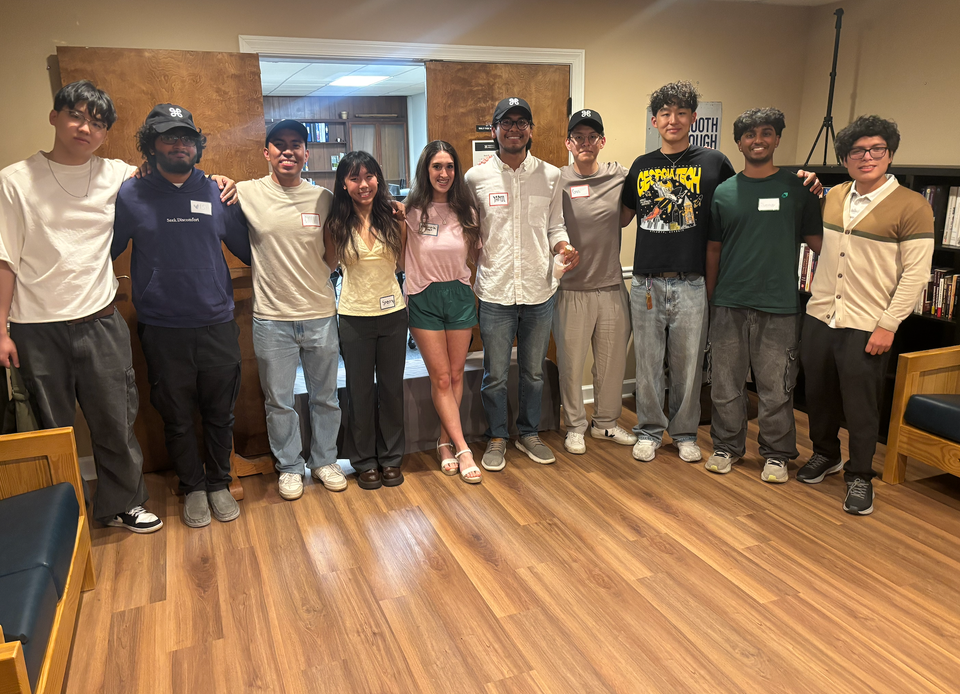
To rent a room at 160 6th St NW in Atlanta, you have to show your GitHub. Or your work portfolio.
But most importantly, you have to show that you are “focused on building things,” says Georgia Tech senior and entrepreneur Yamil Quispe.
Quispe says that is the thesis behind Georgia Tech’s Hacker House, which he founded and opened earlier this semester.
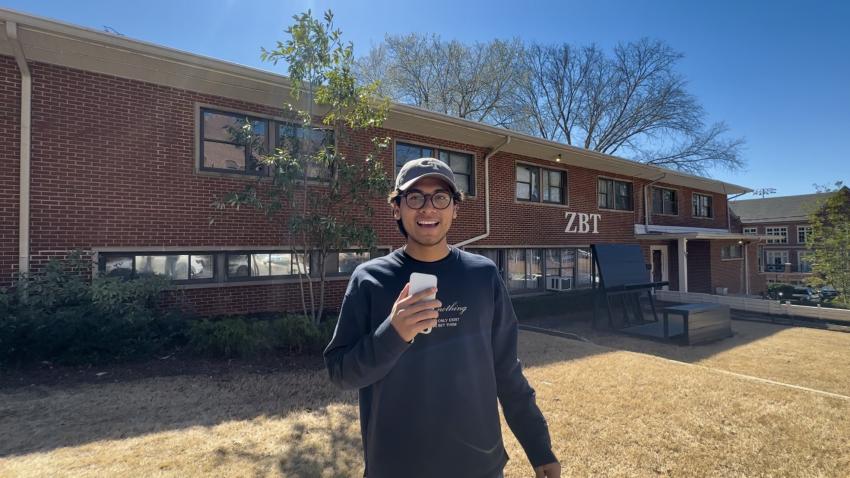
Hacker Houses, popularized in Silicon Valley, offer tech founders co-living and co-working spaces. But Quispe's vision represents something potentially more scalable: embedding this culture directly into university life, where the next generation of builders is already congregating.
The new house, right in the heart of Georgia Tech’s campus, offers eager student founders the chance to collaborate, work through business ideas, or even find a co-founder, giving a new meaning to ‘live, work, play’ spaces.
Inside The Hacker House
The transformation of the physical space is both literal and cultural. What was once a traditional fraternity house still retains its social DNA, with basketball courts, ping pong tables, and communal hangout spaces designed for group gatherings. But walk through on any given evening and you are more likely to overhear conversations about fundraising rounds, MVP iterations, and customer discovery rather than weekend party plans. When you take a spin around, you'll meet a mix of B2B app founders, content creators, and consumer-product entrepreneurs all dedicated to launching new businesses while still in school.
The idea clearly caught on with the Yellow Jacket community. Over 200 students applied to live in and join the Hacker House community this fall…which only has 10 rooms.
In true startup fashion, Quispe and his Hacker House community spent time over the summer transforming the house into a space for the next generation of Georgia Tech founders, rethinking the space to ensure it serves the needs of student founders.
As it looks to scale, Georgia Tech's Hacker House could represent a new template for university entrepreneurship. Less academic theory, more hands-on building, and the kind of peer network effects that could help keep more tech talent in Atlanta.

Comments ()