
Beyond Hollywood: How This Atlanta Startup Became a Core Tool For Creators & Productions
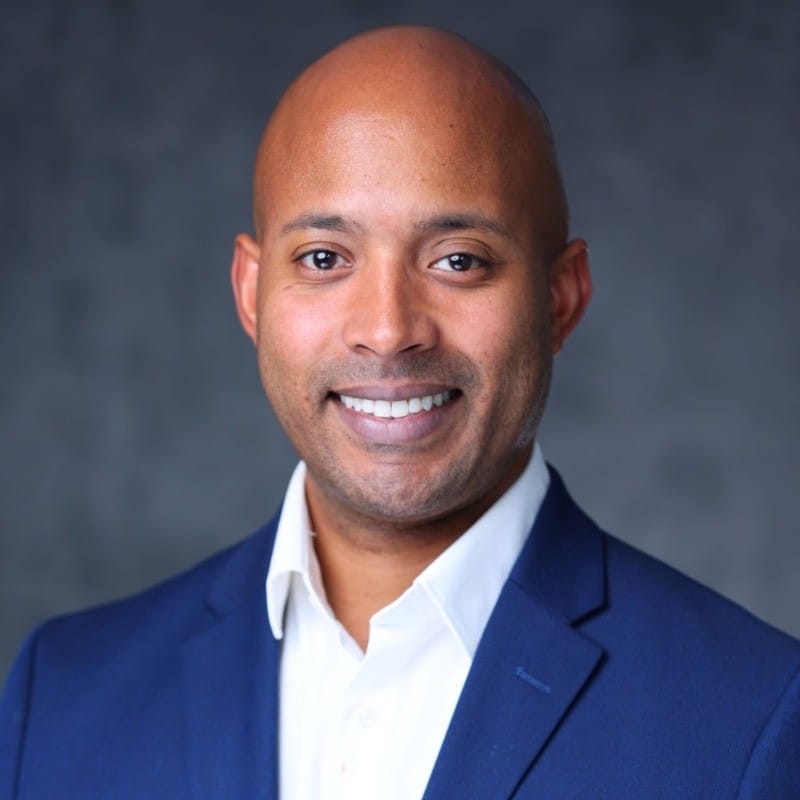
When we caught up with Atlanta media entrepreneur Jonathan Browne last year, he was scaling his second startup, Livy AI, as an AI-driven screenwriting tool.
But for well over a decade, he’s also been using tech to help change how the media world finds its talent.
Since 2012, Browne has served as the founder and CEO of Project Casting, a talent marketplace that has attracted aspiring actors, influencers, and content creators “who are eager for opportunities that help them grow their careers both on-camera and online.”
Beyond Hollywood
Project Casting serves far beyond traditional projects. On top of working with entertainment giants like HBO, Warner Bros, and Hulu, brands like Adidas, Skims, Bumble, and Target have turned to Project Casting to find the talent they need for video projects.

The platform has benefited from the expansion of the creator economy, as User Generated Content (UGC) and social media-first entertainment content continues to grow.
“Across 2025, the types of projects being produced have remained fairly consistent, with actor roles still being the most in-demand category. Extras work dipped slightly in Q1, but bounced back with a 70% increase in Q2, before leveling out again in Q3,” Browne told Hypepotamus. “In terms of production types, TV and digital video projects continue to dominate the Creator Economy. What stood out most, however, is the explosive growth in feature films—we saw a 500% increase in Q2 alone. Even though that pace slowed, it signals a renewed appetite for larger-scale storytelling and independent film production.”
As the platform grows, Project Casting is investing heavily in the infrastructure needed to support it. The team has rolled out new collaboration tools, including its Job Invite/Audition Request system and a streamlined email workflow to make communication between productions and talent faster and easier. At the same time, the company doubled down on trust and safety by strengthening verification processes, bolstering fraud-prevention tools, and enhancing cybersecurity measures to protect its expanding user base.While most users stay on the free version of the platform, Project Casting makes it money through premium subscriptions, VIP services for creators and influencers looking for brand deals, and “company profiles and promotional opportunities for businesses that want to recruit talent more effectively,” Browne added.
Signs Of Growth
Project Casting has recorded over 700,000 current registered users, seeing a 50% surge in activity over the course of Q3 and Q4.
89 percent of Project Casting users are based in the United States.
The highest concentration of users is in Georgia, California, and Florida. Browne credits much of the company’s recent growth to its social media efforts and its “ commitment to community-first content.”“This growth didn’t happen by accident—we invested heavily in education-focused content, transparent casting updates, and Creator Economy resources that make people feel empowered. Our platform is growing because our community is growing, and we put them at the center of everything we do,” he added.
That growth comes at a time when the TV and movie production industry across the United States, and in the State of Georgia particularly, have struggled with changing macroeconomic dynamics, as many film projects have moved overseas.
But for Browne, Project Casting’s recent growth suggests that “the market is stabilizing” and that productions are still committed to creating in Georgia.
“As productions become more cost-conscious, they lean even harder on platforms like Project Casting because we help them source talent faster, cheaper, and more transparently. So while the landscape has shifted, the demand for efficient casting solutions has only grown.”


Comments ()